Luzás Castle: a tower that defies time
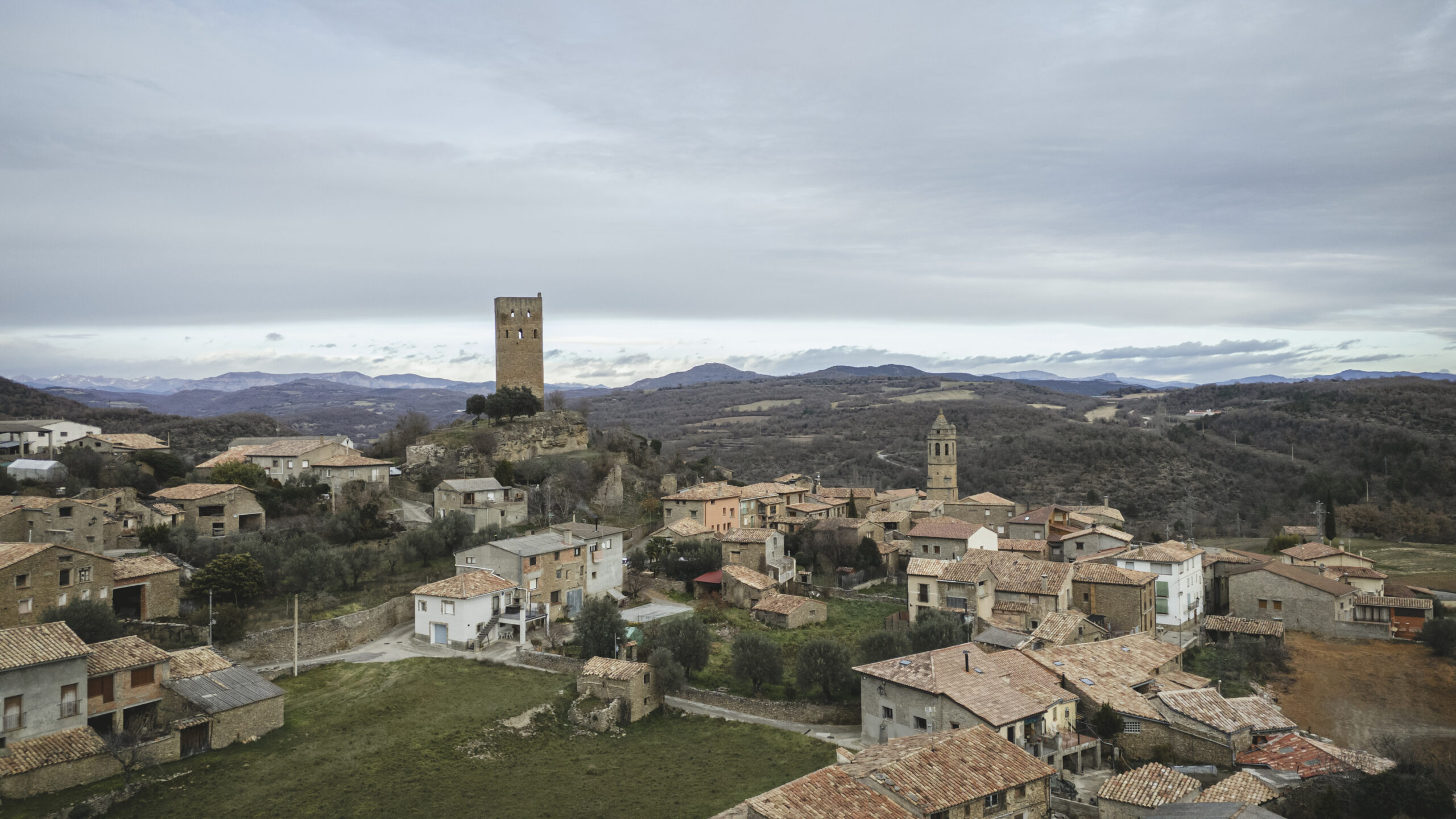
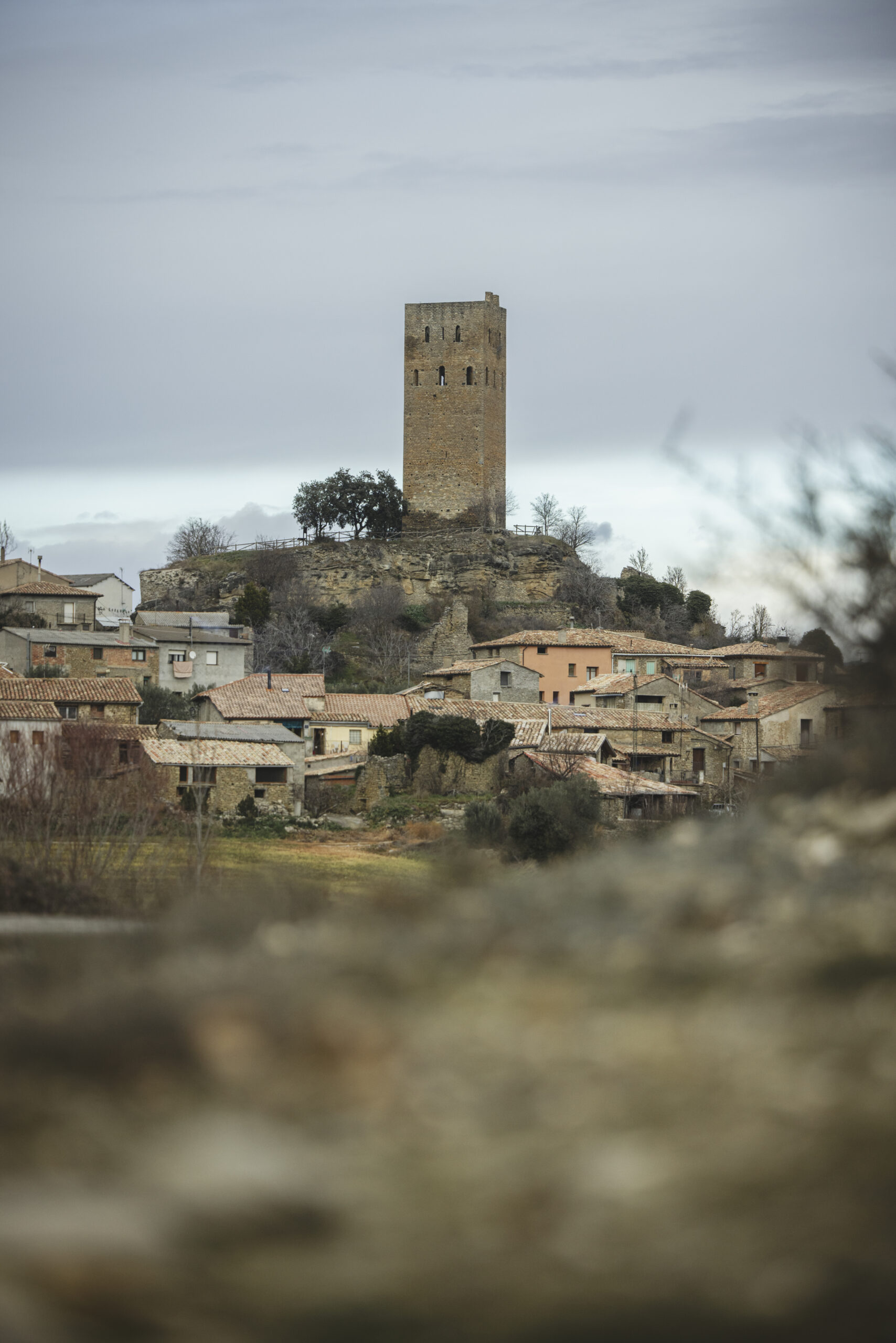
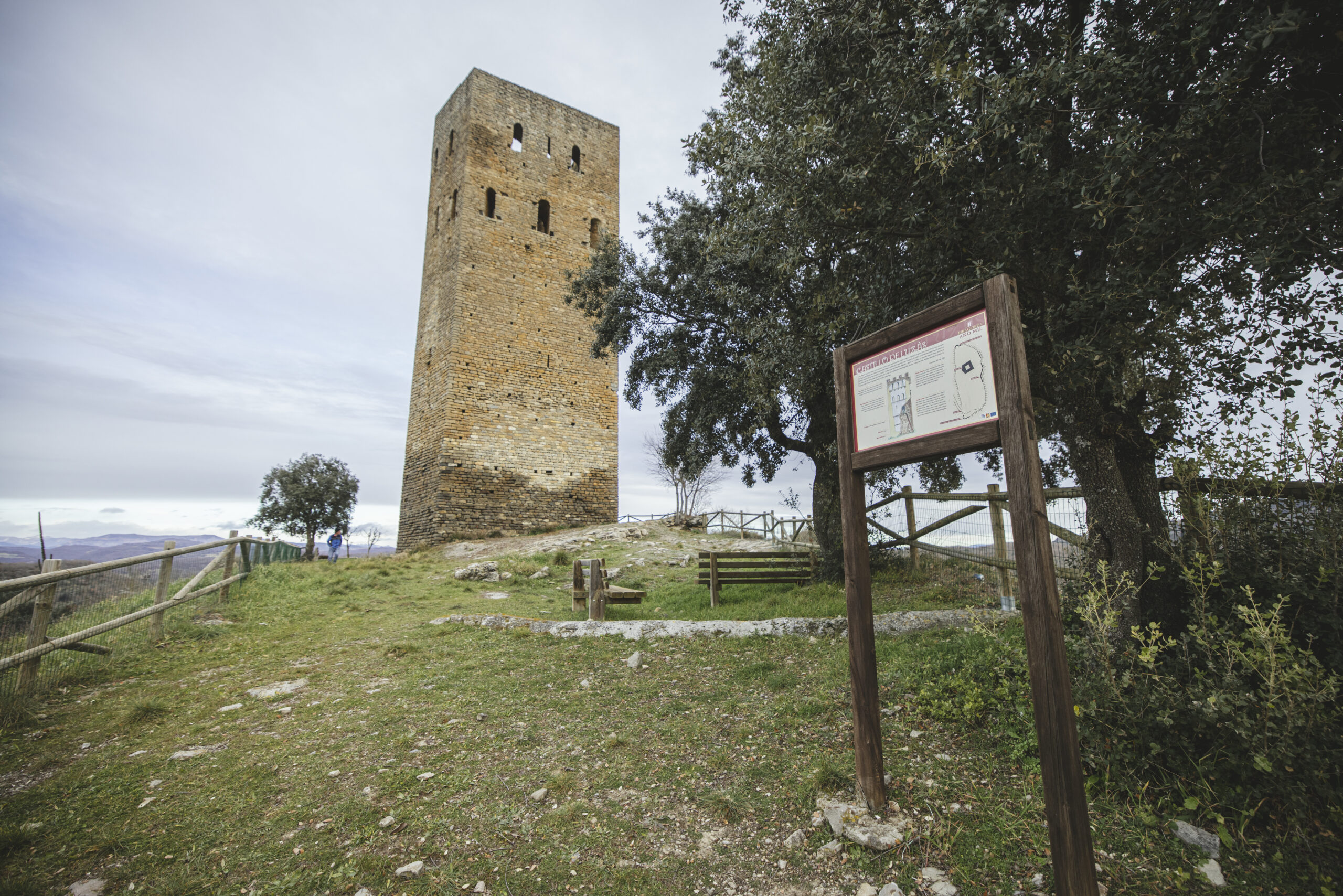
As you approach the small village of Luzás, a powerful silhouette appears on the horizon. It is the tower of Luzás Castle , one of the best-preserved fortresses of Ribagorza's medieval defensive heritage. Its image, standing tall on a rocky platform, welcomes visitors and hints at the strategic importance this place held for centuries.
Built in the 11th century, the medieval castle of Luzás was part of the network of fortresses that protected this territory during the Reconquista. From here, key access routes between the Ésera Valley, the Isábena Valley, and the Pallars region were controlled. The castle was under the protection of Arnau Mir de Tost , a Catalan nobleman who played a fundamental role in the southward expansion of the Christian counties.
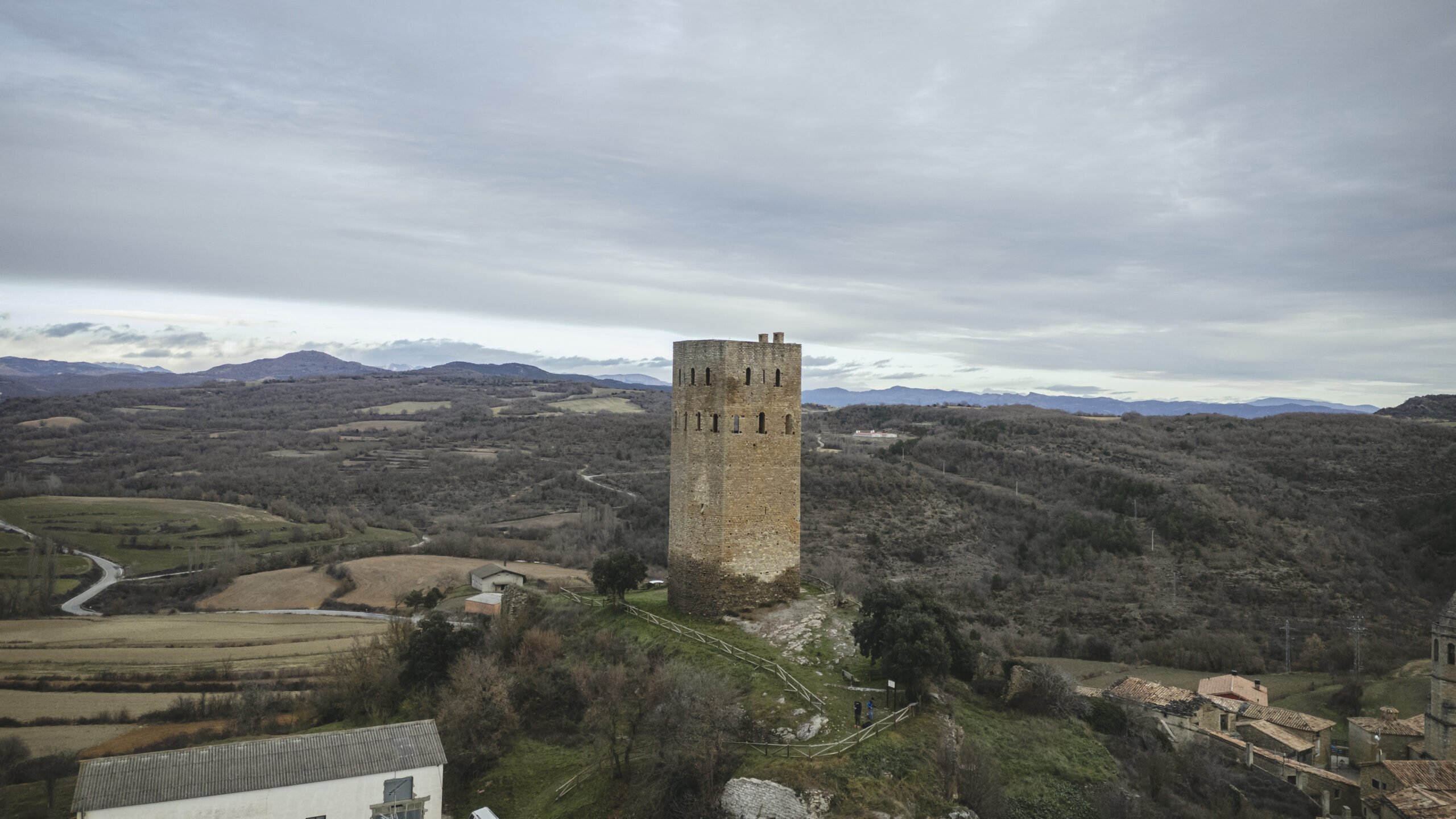
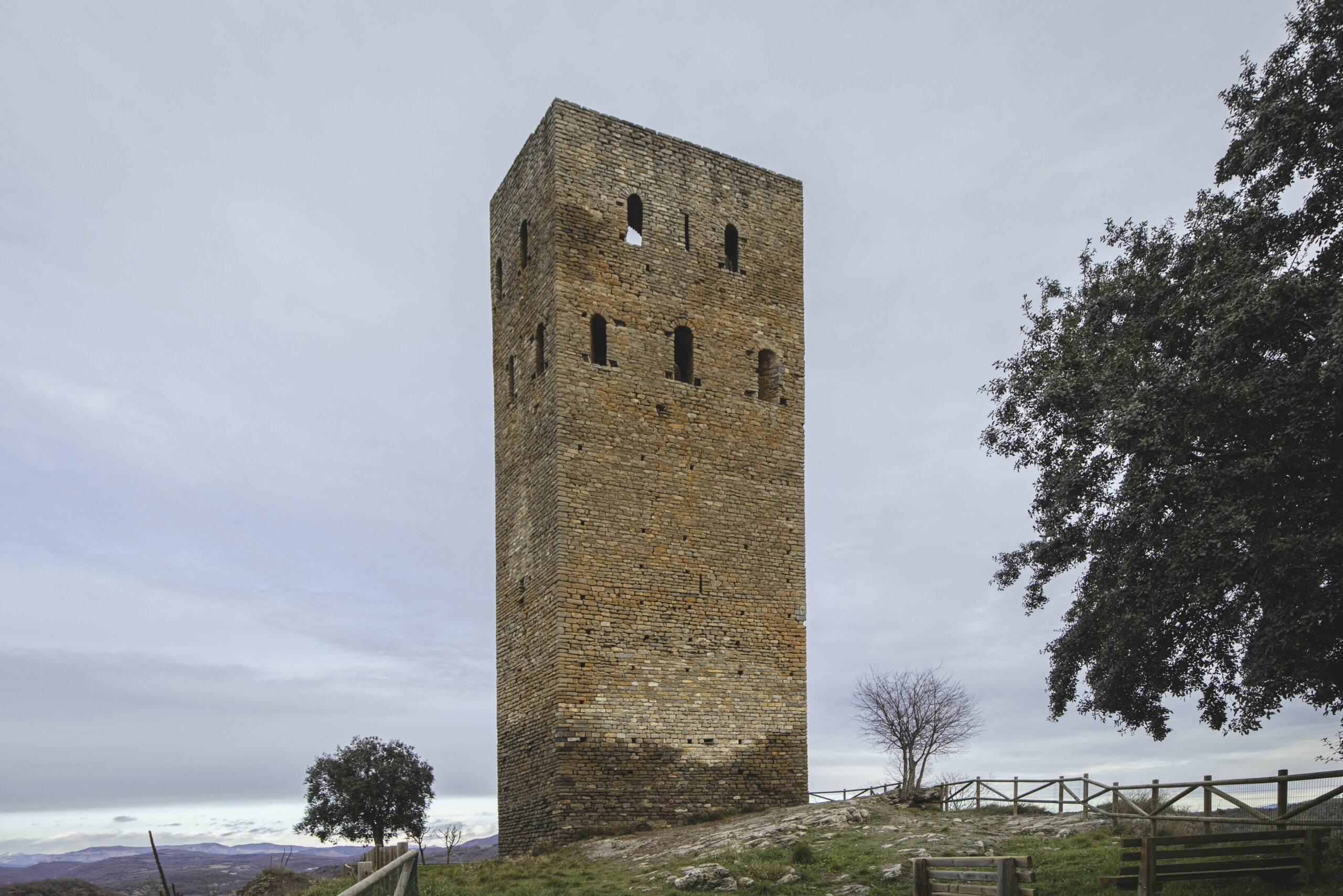
Today, two main elements remain: the central tower and some sections of wall with rounded corners, which formed part of the old perimeter wall. The structure, built of roughly hewn stone laid in regular courses, is notable for both its simplicity and its solidity.
The tower of Luzás Castle , restored in 2009, reaches a height of 26 meters. Pentagonal on the exterior and square on the interior, it boasts walls almost two meters thick. Originally, it was divided into six levels. The first two floors were windowless, reinforcing its defensive function. The entrance was located on the third floor, as was the latrine, and higher up are features typical of military use: loopholes, niches, and observation posts. On one of these floors, a small interior chapel can still be seen, where the defenders prayed for divine protection during times of siege.
The area surrounding the castle preserves part of the layout of the old wall, which encircled the rocky base of the tower. This wall would have been reinforced with several cylindrical towers, barely visible today, but essential in their time.
Tourism in Luzás: living history in every corner
For those looking for things to see in Luzás , this castle offers a direct immersion into the history of Luzás and the defensive spirit of the region. Access is easy: simply turn off the N-230 towards Vall d'Arán, shortly after passing Tolva. From the very first moment, visitors will feel they have arrived at a place steeped in history, beauty, and legend.